Mint vs Lemon Balm: Which Aromatic Herb Should You Grow?
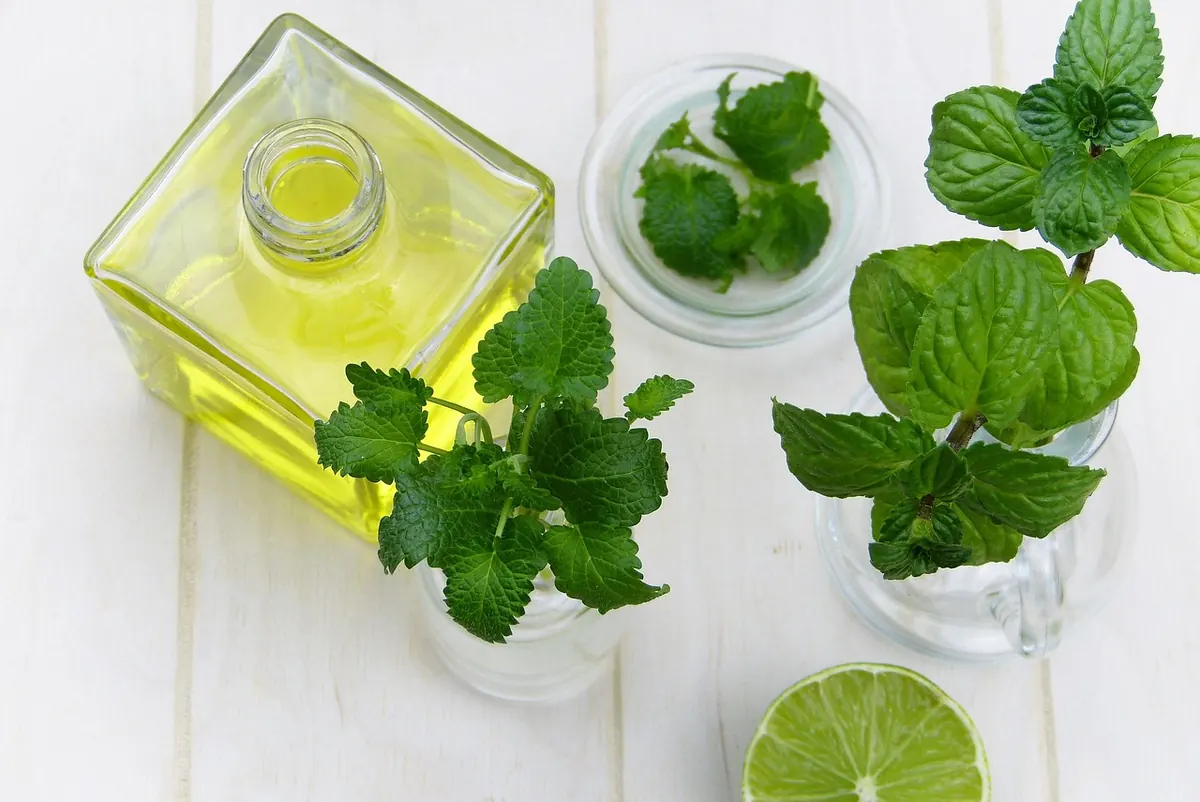
Two small pots, both a few pounds, both labelled as easy kitchen herbs. By late summer, one has threaded runners under the roses and the other has scattered seedlings through the gravel. Neither plant is difficult to grow — that is precisely the problem. The real question is which kind of enthusiasm you want in your garden, and how much time you are willing to spend reining it in.
Mint and lemon balm are close relatives, both in the mint family, both herbaceous perennials that die back in winter and return in spring. Beyond that, they behave very differently. Here is how they compare, and how to decide which earns a place in your patch.
Two herbs, two very different habits
Mint (Mentha) is a spreader. It travels by shallow runners just below the soil surface, and a single plant can put out a metre of new growth in one season. Left alone in a border, it forms a dense mat that crowds out neighbours. Spearmint is the most common culinary type, peppermint is sharper and more medicinal in flavour, and varieties such as apple mint or Moroccan mint offer subtle variations. Heights vary from about 30cm to 60cm depending on the type.
Lemon balm (Melissa officinalis) is a clumper. It grows upright from a central crown on square stems, reaching roughly 45–60cm, with soft, toothed, oval leaves. It rarely runs underground, but it seeds itself with real determination — seedlings turn up in paving cracks, pot edges and vegetable beds. Its leaves appear in spring, the plant flowers through summer, and it dies back to nothing in autumn before emerging again.
Both survive typical UK winters outdoors and are hardy in most gardens. Mint is the fussier of the two about leaf health: crowded, damp conditions encourage mint rust, which shows as orange pustules on the undersides of leaves. Strip affected foliage, cut the plant back hard, and avoid replanting mint into the same tired soil.
Flavour: cool mint versus soft lemon
Mint's flavour comes from menthol and carvone, which is why spearmint tastes sweet and rounded while peppermint is bracing and almost hot. Spearmint suits cooking; peppermint is better for teas, sweets and summer drinks. Moroccan mint makes the best hot tea of the lot, in my view — it holds its flavour when steeped.
Lemon balm is gentler and more perfumed. Its lemony note comes largely from citral, and it sits closer to lemon verbena or lemongrass than to any mint. It is soft and slightly floral, with a mild herbal finish. Two practical consequences follow: you need roughly twice as much lemon balm as mint to make the same impression, and it loses its aroma quickly when heated. Add it at the end of cooking, or use it raw.
Drying is another dividing line. Mint dries reasonably well. Lemon balm does not — dried leaves taste of little more than hay. Freeze it in ice cubes or chop it fresh.
How each one spreads — and how to stop it
Containment is the whole game with these two. A few methods that work:
- Grow mint in a pot. A container of at least 30cm diameter gives it room to bulk up without escaping. Repot every year or two into fresh compost, dividing the rootball as you go.
- Plunge the pot into the border with the rim sitting about 5cm above soil level, so runners cannot simply climb over the edge and disappear. Mulch around it to hide the plastic.
- Never plant mint straight into a mixed herb bed unless you enjoy digging runners out of your thyme for years afterwards.
- Cut lemon balm flower spikes before they set seed if you want to limit seedlings. Leave one or two for the bees and pull the volunteers in spring while they are still tiny.
- Hoe seedlings early. Lemon balm seedlings are shallow-rooted and easy to shift when small; leave them a month and they grip.
If you only remember one thing: mint needs a physical barrier, lemon balm needs a deadline. Control the runners and the seed, and both become well-behaved garden plants.
In the kitchen: where each earns its place
Mint
Classic pairings are new potatoes, garden peas, lamb, and yoghurt sauces. It lifts salads, works in a mint chutney, and makes a good mojito or a plain pot of tea. Add it off the heat — boiled mint turns dull and slightly bitter. A handful of spearmint chopped into buttered new potatoes is one of the simplest good things you can do with a herb patch.
Lemon balm
Lemon balm suits fish, chicken, vinaigrettes and fruit, especially strawberries and peaches, where the lemon note flatters without competing. Chop it into soft cheese or thick yoghurt, scatter it over a green salad, or steep it in cold water with a slice of lemon for a summer drink. It also makes a pleasant, gentle herbal tea. If you are pregnant, breastfeeding or taking regular medication — particularly thyroid medication — check with a pharmacist or your GP before drinking it daily.
Growing them well in a UK garden
Both are unfussy about soil but want moisture that drains. Mint is the more tolerant of damp ground and will grow happily in a spot where rosemary would sulk; it also copes with partial shade. Lemon balm takes a little more sun for maximum leaf flavour but is one of the most shade-tolerant culinary herbs you can grow, which makes it useful for north-facing or fence-shaded beds.
In containers, water daily through summer; a pot-grown mint can dry out in a single hot day. Feed lightly — too much nitrogen gives you leaves with less flavour. Harvest little and often from the top, pinching above a pair of leaves to keep plants bushy. Lemon balm left unpruned turns straggly and flowers early; a mid-summer cutback encourages fresh growth and often gives you a second flush.
So which should you grow?
Grow mint if you want a reliable, vigorous herb for drinks, potatoes and yoghurt, and you are happy to keep it in a pot. Grow lemon balm if you want a soft lemony herb for fish, fruit and cold drinks, have a bit of shade, and can commit to cutting the flowers before they seed.
If space allows, grow both. They occupy different roles in the kitchen, and lemon balm's early flowers are valuable for pollinators. Just give them separate ground rules: mint in a container, lemon balm with a plan.
Practical next steps
Buy one pot of each in spring, when garden centres are full of them. Plant mint into a 30cm pot of peat-free multipurpose compost and plunge it into the border or stand it by the back door. Plant lemon balm in a sunny or partly shaded spot with about 45cm of elbow room, and mark in your diary to cut the flowers in July. Water both in dry spells, pick regularly, and by the end of the season you will know exactly which one deserves a permanent place.
Photo: silviarita / Pixabay